
What is a garage conversion?
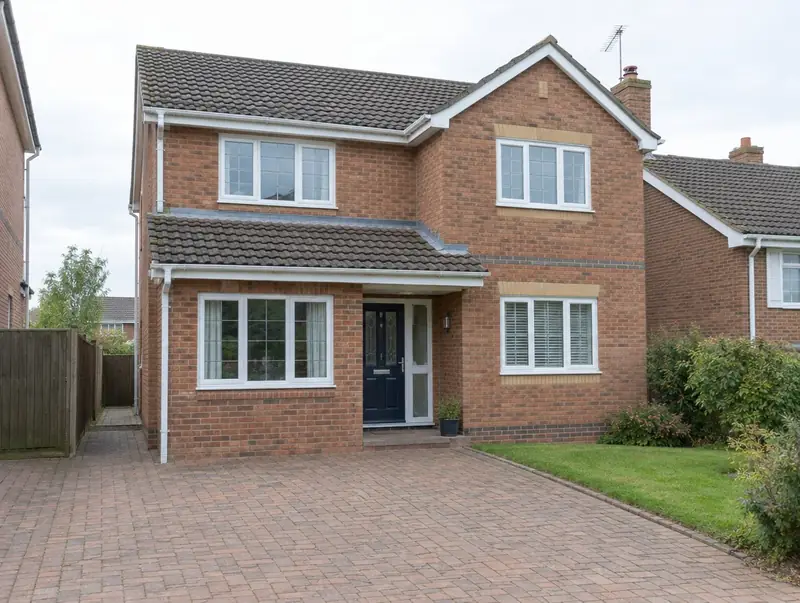
A garage conversion turns an integral or attached garage into habitable space, such as a study, playroom, bedroom or utility. The garage door is replaced with a wall and window, the floor is raised and insulated, and the walls and roof are brought up to building regulations.
How much does a garage conversion cost in March?
In March, a garage conversion typically costs £19,000–£32,000 for a single integral garage, including VAT at 20% (standard rate). Building costs in the East of England run about 6% above the UK average, and the figures for March are adjusted to reflect that. Design, structural calculations and council fees are extra.
| Size or type | Guide range |
|---|---|
| A single integral garage | £19,000–£32,000 |
| Higher specification | £32,000–£40,000 |
The main things that change the cost:
- Whether planning permission is needed
- Foundations under the old door opening
- Bathroom or kitchen
- Heating and flooring
A guide range is only a starting point: the guide price tool gives an instant figure for your size, and a free survey turns it into a fixed quote.
Do you need planning permission for a garage conversion in March?
Approvals for a garage conversion in March follow the rules for England. In England converting an integral or attached garage usually does not need planning permission, unless a condition on the house removed permitted development rights (common on estates built in recent decades) or the house is listed. Building regulations approval is always needed.
Where work involves a shared wall, building on the boundary, or digging foundations within 3 metres of a neighbour’s building and deeper than its foundations (or within 6 metres for deeper work), the Party Wall etc. Act 1996 applies and notices must be served before work starts.
If the answer is not clear-cut, we can apply for formal confirmation before you commit to the build.
What we handle
On a typical garage conversion we handle:
- Building control completion
- Planning check for removed permitted development rights
- Floor raised with insulation and damp-proof membrane
- New wall and window to replace the garage door
- Drawings and building control application
- Wall and ceiling insulation
How long does it take?
Allow 3 to 6 weeks on site. Before that, surveys, drawings and approvals usually take 6 to 12 weeks, longer if the council asks for changes.
Building in March
Many towns in the East of England have estates built since the 1970s, where garage conversions and rear extensions are popular.
Our March coverage includes postcode districts PE15, and we also work in nearby places such as Wisbech, Ely and Peterborough.
How it works
- 01
Visit and measured survey
A free visit to understand the project, check access and take measurements.
- 02
Drawings and written quote
We prepare the design and give you a written, itemised quote with inclusions and exclusions.
- 03
Permissions sorted
Applications, building control and neighbour arrangements, all before the start date.
- 04
Build and sign-off
We run the build to a written programme and hand over the completion certificate.
Questions about garage conversions in March
Who approves a garage conversion in March?
Planning matters in March go to the council covering your address, and the work needs building control approval. We prepare and submit the applications for you.
How much does a garage conversion cost in March?
In March, a garage conversion typically costs £19,000–£32,000 for a single integral garage, including VAT at 20% (standard rate). Your fixed price depends on the survey and drawings.
Can a detached garage be converted?
Yes, but using it as separate living accommodation may need planning permission.
Can the floor be level with the house?
Yes. The garage floor is raised and insulated to match the house floor level.
Will losing the garage affect parking?
Councils sometimes object if on-street parking is under pressure. We check local parking standards.